
When it's Time to Replace Your Plumbing and What You Should Anticipate
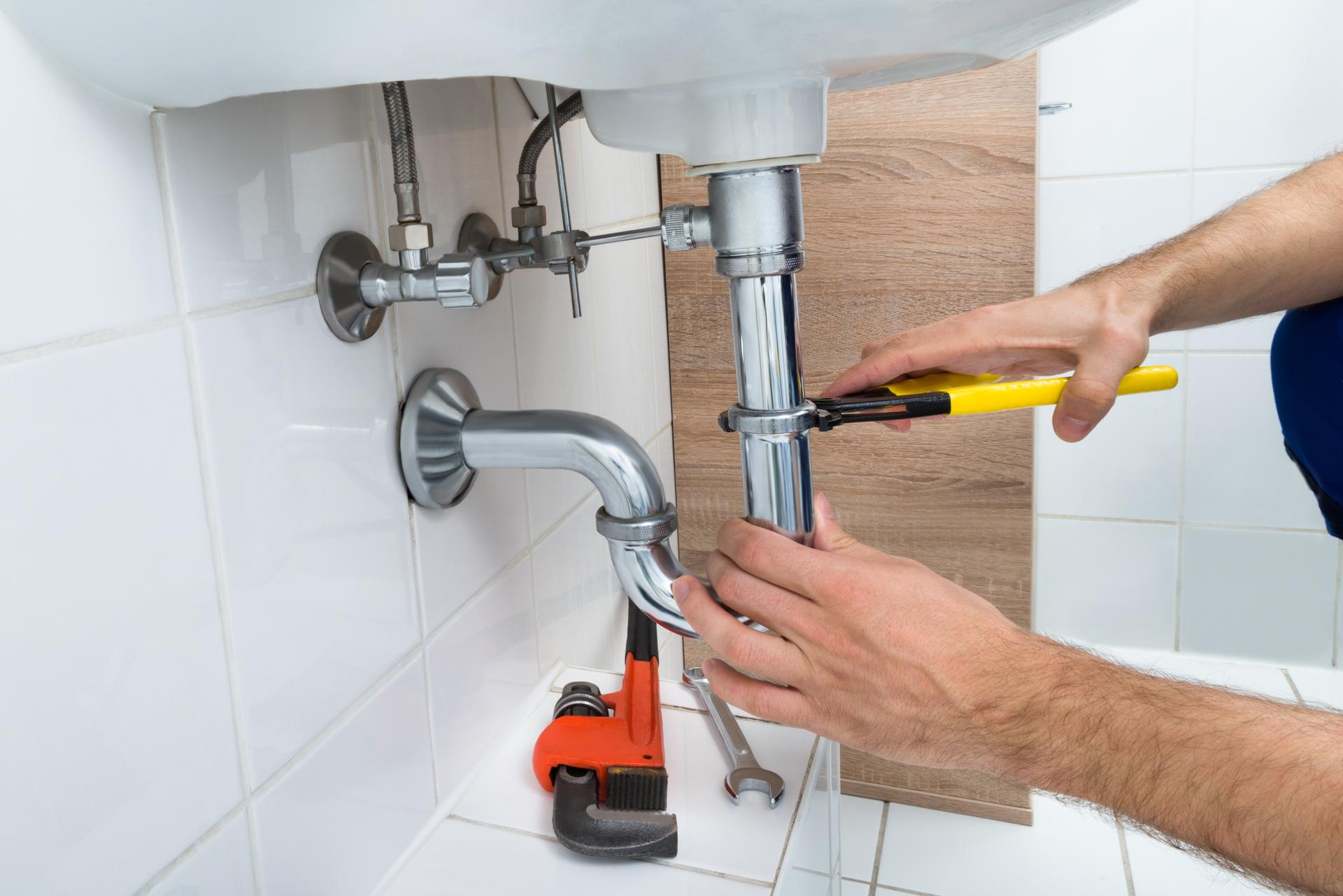
Plumbing is an essential part of any home that provides us with clean water for drinking, cooking, and cleaning, as well for the disposal of waste. Like any other system in your home plumbing is likely to get old and need to be replaced.
Being aware of when it’s time replace your plumbing is essential to avoid costly repairs and prevent health risks. In this article, we’ll talk about the signs that indicate that your plumbing requires to be replaced, what you should consider prior to replacing your plumbing the procedure for replacing your plumbing, the benefits of replacing your plumbing and a FAQ section to answer any questions you may have.
Signs that it’s Time to replace your plumbing
There are many signs that indicate your plumbing is in need of being replaced, including: Leaks: If you notice water stains or puddles around your home, it’s likely to be a sign of a plumbing leak. Leaks can cause serious structural damage to your home and may lead to mold growth, so it’s essential to fix them immediately. Rusty pipes: Rusty pipes are a clear indication that your plumbing needs to be repaired or replaced. Rust can contaminate your water supply, making it unsafe for drinking or cooking. Low pressure in the water: If your showerheads and faucets produce weak flow of water is a sign of low pressure water and can be caused by corroded pipes or blockages. Water discoloration: Discolored water, such as brown or yellow, is the result of sediment or rust buildup in your pipes. This can affect the flavor and quality of your water and may be a sign of the need for a plumbing replacement.
Factors to Take into Account Before Replacing the plumbing
Before you replace your plumbing there are several aspects to take into consideration, such as: Age of the plumbing system: Plumbing systems can are designed to last approximately 50 years, so when your house is over that time, it’s likely that it’s time to replace. Cost of replacement replacing your plumbing could be costly, which is why it’s important to budget for the cost. Severity of plumbing problems: If your plumbing issues are severe and affecting multiple areas of your house then replacement could be the best option.
What to Expect During the Plumbing Replacement Process
The plumbing replacement process involves various steps, which include closing off water flow Your plumber must shut off the water supply to your residence to prevent water damage or leaks. Removing old pipes Old pipes need to be removed, which might require cutting into walls or floors. Installing new pipes New pipes will be installed, which may require rerouting to ensure proper water flow. The length of time for replacing the plumbing will depend on the dimensions of your property and the complexity of the project. Homeowners should expect disruptions throughout the process, such as water shut-offs, and possibly damage to floors and walls.
Benefits of Replacing Plumbing
Replacing your plumbing can provide a variety of benefits, including increased water efficiency new plumbing fittings and pipes can be more effective, which means reducing your water usage and lowering your utility bills. Better water quality: Replacing old, corroded pipes with new ones will improve the quality and quality of water, making it safer for drinking and cooking. Reduced risk of future plumbing issues: New plumbing is less likely to develop obstructions or leaks, which reduces the requirement for costly repairs in the future.
Conclusion
Replacing your plumbing is a major purchase, but it’s vital to ensure the safety of your home and peace of mind. By understanding the signs that suggest your plumbing needs replacing, weighing the elements that influence replacement and knowing what you can expect from the replacement process, you will be able to make an informed choice about the plumbing of your home. Make sure to remember that replacing your plumbing can provide a variety of advantages, including improved efficiency of water, better water quality, and reduced the chance of having plumbing problems in the future.
FAQ Section
How much will it cost to replace the plumbing?
The cost to replace your plumbing will vary based on several factors, including how big your home as well as the complexity of the task, as well as the material used. In the average, homeowners can expect to spend between $5,000 and $10,000 for a complete plumbing replacement.
How long does it take to replace plumbing?
The time frame for plumbing replacement will be contingent upon the dimensions of your house and the complexity of the job. Typically, a whole-house plumbing replacement can take between two and four weeks.
Do I need to replace my plumbing if there’s a leak?
If you have a single leak in your plumbing, it may not need a full replacement. If you’re experiencing a lot of leaks or notice other signs of plumbing issues, a replacement could be the best choice.
Can I replace my plumbing myself?
The replacement of your plumbing can be a difficult job that should be left to a professional plumber. Doing it yourself can result in costly mistakes and potential dangers to your safety.
What kind of pipes should I use to replace my plumbing?
There are several types of pipes that are suitable for plumbing replacement, including copper PVC, and PEX. Your plumber will recommend the most suitable type of pipes for your needs and budget. To conclude, the replacement of your plumbing system is an important decision that should be made with careful consideration. When you know the signs that suggest your plumbing requires replacing, taking into consideration the various factors that can affect replacement, and knowing what to expect during the plumbing replacement process, you will be able to make an informed decision about the plumbing of your home. A professional plumber can help guide you through the process and ensure a successful and efficient replacement of your plumbing.